» PHOTO BOOKS » ATTRACTIONS » ASIA » CHINA – YUNNAN » XIZHOU AND ZHOUCHENG

About Dali – Xizhou and Zhoucheng
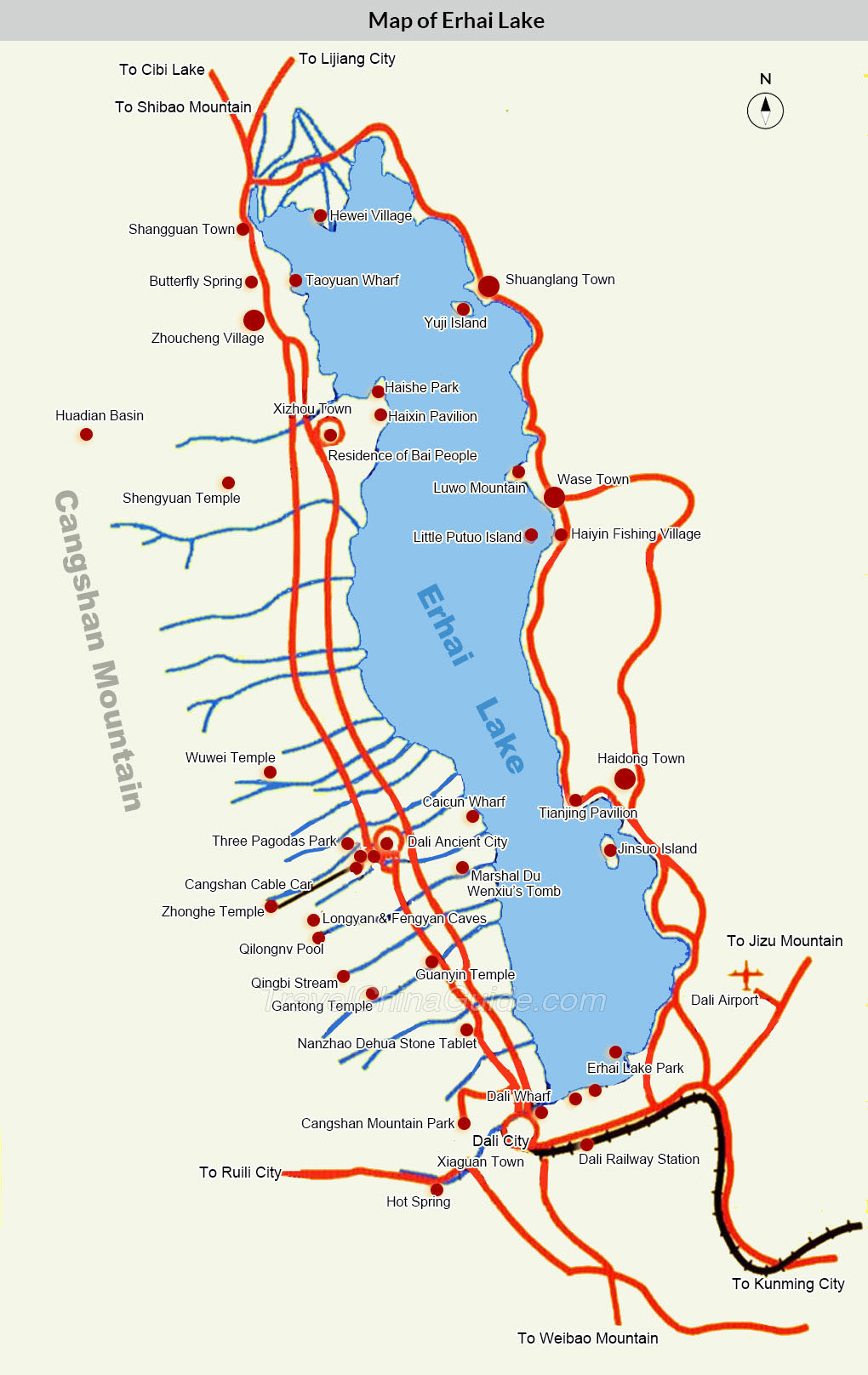
Xizhou (Chinese: 喜洲) is a town located 20 km north of Dali Old Town in Dali City. The town consists of 13 small villages with a combined population estimated at 2,500, mostly consisting of Bai people with a small population of Hui and Han residents. Xizhou is located about 1 km from the shores of Erhai Lake to the east, and 2 km to the Cang Mountain to the west. Xizhou has been historically important as a trading post along the Tea Horse Road, it was once home to a landing strip and radio station for the Flying Tigers during WWII, has been home to notable rulers and governors of local polities past and present, and has gained notoriety in modernity for its high concentration of preserved and restored traditional Bai architecture and protected heritage sites.
Tie-dyeing in Zhoucheng. Tie-dyeing originated from the central plains area in ancient China over 1,000 years ago. Being one of the locations of this craftsmanship, Zhoucheng Village near Butterfly Spring in Dali Old City is famous as the ‘Hometown of Bai People’s Tie-dyeing Art’.
Tie-dyeing is a technology of printing flower patterns on cloth. As the name suggests, the process is divided into “tie” and “dye”. Tie refers to making the cloth into certain shapes by pinching, creasing and flanging it according to the flower patterns. They are then sewn or tie tightly together to make a bunch of knots. The aim of tying the knots is to dye the untied part while retaining the original color of the knotted parts. The tighter the knots are tied, the better the effect of the color printing will be achieved.
The dyeing process involves first soaking the ‘knots’ into clear water, followed by immersing them in the dye vat for a period of time before taking them out to dry. After drying, they are again put back in the dye vat and the process is repeated until a satisfactory color is achieved. Once dried, stitches are taken out of the knots and the cloth is smoothen out to reveal that part of the cloth which was sewn and form beautiful flower patterns and the dye crease marks.
The main colors of the tie-dying process are white and blue, with the white color for the flower patterns and the blue for the background. The contrast of these two colors shows the beauty of simplicity, which reflects the Bai People’s peaceful and tolerant minds. The main dye comes from the Ban Lan Gen, the isatis root in English. Cloth dyed with this plant’s extract is good to the skin and presents a color of bluish green that is not easily fade.
The tie-dyeing products in Zhoucheng Village are well sought after, both at home and abroad. Do drop by and witness for yourself the process of this historical craftsmanship. Who knows, you will return home with some cheap and beautiful crafted cloths.
» PHOTO BOOKS » ATTRACTIONS » ASIA » CHINA – YUNNAN » XIZHOU AND ZHOUCHENG